
 Facebook
 X
 Pinterest
 Copy Link
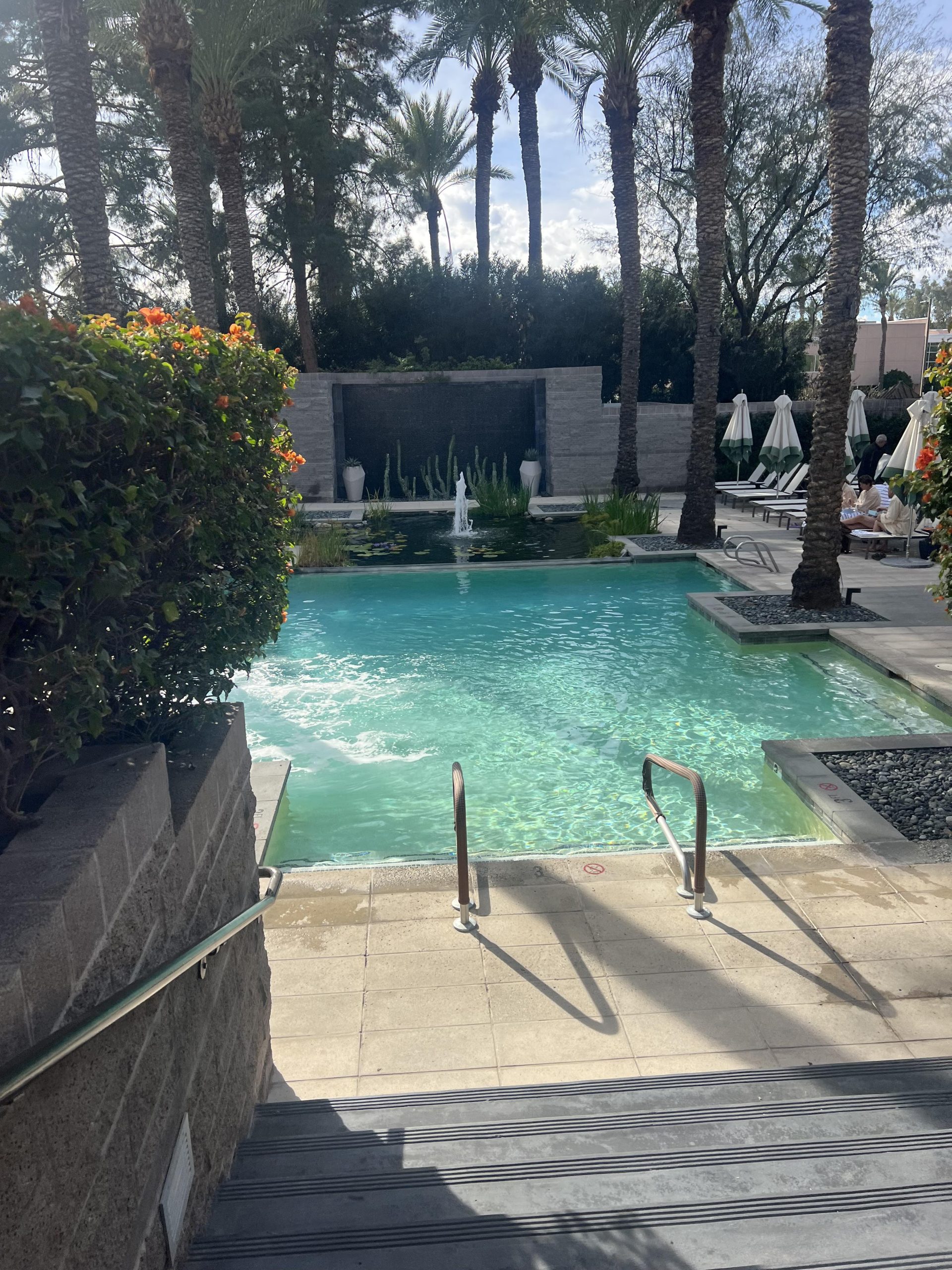
How much money do you really need to live in Arizona in 2026? If you’re considering moving to Arizona, the answer depends heavily on where you choose to live, whether you rent or own, and the lifestyle you want.
Arizona is often considered a more affordable alternative to California and other expensive states, but that doesn’t mean living here is inexpensive. Housing costs in Scottsdale can be substantially higher than in parts of Phoenix or Mesa. Summer electricity bills can surprise newcomers, and owning a home with a swimming pool comes with expenses that aren’t always included in a relocation budget.
To help you plan realistically, here’s a breakdown of actual housing market figures, utility costs, property taxes, insurance, and other everyday expenses in the Phoenix metropolitan area.
This guide focuses on Arizona and, more specifically, Maricopa County, including Scottsdale, Phoenix, Chandler, Gilbert, Mesa, and Paradise Valley.
1. How much does it cost to live in Arizona in 2026?
Let’s start with the biggest expenses.
According to October 2026 housing market data from Realtor.com, the median sold home price in Maricopa County was approximately $475,000, while the median monthly rent was $1,740.
However, the numbers look very different depending on the city.
Average housing costs by city
The following figures are October 2026 median listing prices and median advertised rental prices, not guaranteed purchase prices or individual rental quotes.
| City | Median listing price | Median monthly rent |
|---|---|---|
| Phoenix | $449,000 | $1,615 |
| Scottsdale | $899,500 | $2,397 |
| Mesa | $459,450 | $1,510 |
Source: Realtor.com market data, October 2026.
These figures immediately show why choosing the right location matters.
For example, someone renting in Scottsdale may pay considerably more than someone renting in Mesa. Likewise, purchasing a home in Scottsdale can require a significantly larger budget.
It’s also important to understand that Scottsdale is a diverse real estate market. A condominium in South Scottsdale and a luxury property in North Scottsdale are two very different purchases.
What this means for someone relocating: Don’t build your moving budget around Arizona’s statewide housing average. Research the specific city and neighborhood where you actually want to live.
2. What is the average electricity bill in Phoenix, Arizona?
This is one of the expenses worth preparing for before moving to Arizona.
Air conditioning is essential during the summer. Temperatures regularly reach triple digits, and your cooling system can run for extended periods from June through September.
According to EnergySage, Phoenix residents who shared electricity bills through its marketplace reported an average monthly electricity bill of approximately $266 in November 2026, based on the site’s reported customer data.
This is not an official average for every Phoenix household. The sample may include homeowners with higher-than-average electricity consumption.
Your actual electricity bill depends on:
- Size of the home
- Age and efficiency of the HVAC system
- Insulation and window quality
- Thermostat settings
- Number of people living in the home
- Electricity provider and rate plan
- Solar panels and other energy features
A 1,200-square-foot condominium and a 3,000-square-foot single-family home will not have the same electricity expenses.
What should you check before buying a home in Arizona?
If you’re purchasing a property, ask about the HVAC system’s age and maintenance history. Also look at the windows, insulation, and overall energy efficiency.
A home with an older air conditioning system may cost considerably more to cool during the summer.
Local tip: Don’t evaluate a home’s monthly expenses based on a winter utility bill. Ask the seller whether historical summer electricity bills are available.
3. How much are water and sewer bills in Arizona?
Water costs are another expense worth comparing between cities.
A particularly useful resource is the City of Phoenix’s April 2026 water and wastewater utility comparison.
Here are the published combined average monthly bills for single-family homes in several Phoenix-area cities:
| City | Average monthly water + wastewater |
|---|---|
| Chandler | $65.90 |
| Scottsdale | $73.96 |
| Tempe | $87.30 |
| Phoenix | $93.30 |
| Glendale | $100.96 |
| Mesa | $103.38 |
Source: City of Phoenix, Water and Wastewater Utility Bill Comparison, April 2026.
These are comparison figures, not guaranteed bills for every household. Actual charges depend on water consumption, meter size, applicable fees, and the local utility’s rate structure.
One important detail about Arizona: outdoor water use can make a noticeable difference.
Homes with large landscaped yards, swimming pools, and extensive irrigation systems may have higher water bills than properties with smaller yards and water-efficient landscaping.
Phoenix also uses seasonal water rates. Its published rate schedule charges higher usage rates during June through September than during the winter months.
If you’re buying a home with a large yard or swimming pool, don’t overlook the water bill.
4. How much does it cost to maintain a swimming pool in Arizona?
This is an expense that people moving from colder climates sometimes don’t anticipate.
Swimming pools are common in many Phoenix-area neighborhoods, particularly in Scottsdale, Paradise Valley, and other communities with single-family homes.
But owning a pool involves ongoing expenses.
In Phoenix, professional weekly pool maintenance commonly costs approximately $115–$245 per month, depending on the pool, service frequency, and what’s included.
This can cover services such as:
- Skimming and removing debris
- Brushing pool surfaces
- Vacuuming
- Chemical balancing
- Emptying baskets
- Basic equipment checks
Additional expenses may include filter cleaning, equipment repairs, salt-cell replacement, and water treatments.
If you’re considering purchasing a home with a swimming pool, ask about:
- The age of the pool equipment.
- Whether the pool has a saltwater or chlorine system.
- When the filter and pump were last serviced.
- Whether there have been previous leaks.
- The cost of current pool maintenance.
A pool is a wonderful feature of Arizona living, especially during the summer, but it should be included in your homeownership budget.
5. How much are property taxes in Arizona?
Arizona property taxes are often one of the financial advantages people consider when relocating from states with higher property tax burdens.
However, there isn’t one fixed property tax rate for all Arizona homeowners.
Property taxes depend on the property’s assessed value and the combined tax rates of the applicable taxing jurisdictions.
These can include the county, city, school districts, and special taxing districts.
For example, the Arizona Department of Revenue explains that property taxes are calculated using the property’s net assessed value multiplied by the applicable overall tax rate.
This is why two homes with similar purchase prices can have different annual property tax bills.
Where can you check property taxes before buying?
If you’re considering a property in Scottsdale, Phoenix, or another Maricopa County community, you can research its assessed value and tax information through:
- Maricopa County Assessor: https://mcassessor.maricopa.gov/
- Maricopa County Tax Levy and Rates: https://www.maricopa.gov/5160/Tax-Levy-and-Rates
My recommendation: Always review the actual property tax information for the home you’re considering. Don’t assume that a statewide average will accurately represent your future expenses.
6. How much is homeowners insurance in Arizona?
Homeowners insurance is another expense that should be calculated before purchasing a property.
Insurance premiums vary based on the home’s location, replacement value, age, roof condition, coverage limits, deductible, and insurance company.
For perspective, Bankrate’s November 2025 comparison showed that sample annual insurance premiums for $300,000 in dwelling coverage varied significantly between insurers and Arizona cities.
Its Phoenix examples ranged from approximately $1,419 to $3,353 annually among the insurers shown.
These are historical sample quotes, not current guaranteed rates for a particular home.
When buying in Arizona, request an insurance quote for the actual property before your purchase becomes final.
Pay particular attention to:
- Roof age and condition
- Wind and hail coverage
- Water damage coverage
- Replacement cost
- Personal property coverage
- Deductibles and exclusions
A home with a significantly older roof may have different insurance options than a newer property.
7. How much are HOA fees in Scottsdale and Phoenix?
If you’re considering purchasing a condominium, townhome, or property in a master-planned community, HOA fees should be part of your monthly budget.
There is no reliable single average for HOA fees across the Phoenix metropolitan area because the services and amenities vary so much.
For example, a condominium association may cover:
- Water and sewer
- Trash collection
- Exterior building maintenance
- Roof maintenance
- Landscaping
- Community pool maintenance
- Common-area insurance
A single-family home in a master-planned community may have a much smaller HOA fee that primarily covers common areas and neighborhood amenities.
Some luxury communities also have additional recreational or club membership expenses.
Before purchasing, review the association’s financial documents, reserve funding, assessment history, and rules.
Also ask whether there are separate master association fees.
Important: A $350 monthly HOA fee that includes water, exterior maintenance, and community amenities is not directly comparable to a $100 fee that covers only common areas.
Look at what you’re actually getting for the monthly payment.
8. What about groceries, gasoline, and everyday expenses?
Housing and utilities usually deserve the most attention when planning a relocation, but everyday expenses also affect your budget.
These include groceries, gasoline, restaurants, entertainment, shopping, and personal services.
The cost will depend on your household size and lifestyle.
One expense worth considering in the Phoenix metropolitan area is transportation.
Most residents rely on a vehicle for everyday activities, particularly if they live outside central, walkable neighborhoods.
Before choosing a home, consider:
- Distance to your workplace
- Daily commuting routes
- Access to grocery stores
- Proximity to restaurants and shopping
- School and childcare locations
- Access to major highways
For example, living in North Scottsdale while commuting to Chandler can mean a very different daily routine than living closer to your workplace.
The purchase price of a home isn’t the only factor in determining whether a location is affordable.
9. Scottsdale vs. Phoenix vs. Chandler vs. Mesa: Which is more affordable?
If you’re relocating to the Phoenix area, choosing the right city can make a considerable difference in your monthly expenses.
Here’s a practical comparison.
Scottsdale
Scottsdale generally offers a higher-priced housing market, particularly in North Scottsdale, luxury neighborhoods, and areas near golf courses and resort amenities.
It’s known for restaurants, shopping, outdoor recreation, golf, and a wide variety of residential communities.
It can be a good fit for buyers prioritizing location, lifestyle, and access to Scottsdale amenities.
Phoenix
Phoenix offers a broad range of neighborhoods and housing prices.
Depending on the location, buyers can find established residential communities, newer developments, condominiums, and single-family homes.
Phoenix may offer more flexibility for buyers who want to balance housing costs with access to employment centers and entertainment.
Chandler
Chandler is a popular choice for people looking for suburban neighborhoods, employment opportunities, shopping, and established communities.
It also recorded the lowest combined average water and wastewater bill among the seven cities in the City of Phoenix’s April 2026 comparison.
Mesa
Mesa offers a wide variety of residential options, including established neighborhoods, newer developments, and active adult communities.
It can be worth exploring if you’re looking for different price points and housing styles in the East Valley.
Paradise Valley
Paradise Valley is a separate luxury residential market, known for larger properties, privacy, mountain views, and upscale homes.
It generally requires a substantially higher housing budget than most Phoenix-area communities.
My advice: Don’t choose a city based on one monthly expense. Compare the complete cost of living, including housing, utilities, transportation, and the lifestyle you want.
10. Is Arizona financially better than California?
This is one of the questions people frequently ask when considering relocating from California to Arizona.
For some households, the move can result in meaningful savings, particularly if they’re moving from an expensive California housing market to a more moderately priced Arizona community.
However, the comparison needs to be made carefully.
Consider these factors:
Housing: Compare actual purchase prices or rents in the two locations rather than statewide averages.
Property taxes: California and Arizona have different property tax systems. Look at the actual property tax obligations for the homes you’re comparing.
Income taxes: Arizona has a 2.5% individual income tax rate on Arizona taxable income. California uses a progressive income tax system with multiple brackets. Your actual tax savings depend on your income and circumstances.
Utilities: Arizona’s summer cooling expenses should be part of your comparison.
Insurance: Get actual homeowners insurance quotes in both locations.
Transportation: Consider your commute and vehicle expenses.
The biggest financial difference for many relocating homeowners may be the cost of housing, but it’s important to evaluate your complete household budget.
11. What expenses surprise people after moving to Arizona?
Beyond the typical cost of living categories, there are a few Arizona-specific expenses worth preparing for.
1. Higher summer electricity bills. Your air conditioning system will work much harder during the hottest months.
2. Pool maintenance. If your home has a swimming pool, budget for regular cleaning, chemicals, water, electricity, and occasional repairs.
3. Landscaping and irrigation. Desert landscaping still requires maintenance, irrigation, and occasional plant replacement.
4. HVAC maintenance. Regular servicing is important in a climate where air conditioning is heavily used.
5. Roof maintenance. Monsoon storms, wind, and intense sun exposure can affect roofing materials over time.
6. Pest control. Many homeowners budget for regular pest prevention and treatment.
7. HOA assessments. Some communities increase their fees or impose special assessments for major expenses.
These aren’t necessarily reasons to avoid buying a home in Arizona. They’re simply expenses that should be included in your financial planning.
12. Is Arizona a good place to live in 2026?
For many people, the answer is yes, but the right location depends on your lifestyle and budget.
Arizona offers a combination of outdoor recreation, sunshine, golf, hiking, restaurants, shopping, and diverse residential communities.
The Phoenix metropolitan area also offers a variety of housing options, from affordable condominiums to luxury homes.
But moving to Arizona should be a financial decision as well as a lifestyle decision.
Before relocating, calculate your expected monthly expenses, research the neighborhoods that interest you, and understand the full cost of owning a home in the area.
Final takeaway
If you’re considering moving to Arizona in 2026, don’t just ask how much a home costs.
Ask how much it will cost to live there.
The difference between the two can be significant.
Frequently Asked Questions: Cost of Living in Arizona
How much does it cost to live in Arizona per month in 2026?
There isn’t one monthly figure that applies to everyone. Housing is usually the largest expense, and costs vary considerably between Scottsdale, Phoenix, Mesa, Chandler, and other communities. Renters should budget for rent, utilities, transportation, groceries, and insurance. Homeowners also need to account for mortgage payments, property taxes, maintenance, and HOA fees.
Is $5,000 a month enough to live in Arizona?
It can be enough for some households, particularly those with affordable housing costs and limited debt. However, a household renting or owning a home in Scottsdale may have a very different budget from someone living in a less expensive part of Mesa or Phoenix. Whether $5,000 is sufficient depends on household size, housing, transportation, and lifestyle.
Is Scottsdale more expensive than Phoenix?
Generally, Scottsdale has higher housing costs than Phoenix, particularly in its luxury and highly desirable neighborhoods. October 2026 Realtor.com data showed a median listing price of $899,500 in Scottsdale compared with $449,000 in Phoenix.
Are utilities expensive in Arizona?
Electricity can be a significant expense during summer because of air conditioning. Water bills also depend on household consumption, landscaping, and pool ownership. Ask for historical utility bills when evaluating a property.
Does Arizona have high property taxes?
Arizona generally has relatively moderate property taxes compared with many other states. However, the actual amount depends on the property’s assessed value and local tax rates.
Is it cheaper to rent or buy in Arizona?
Renting generally requires less upfront money and provides flexibility. Buying may make sense for someone planning to stay longer, build equity, and take advantage of homeownership. The right decision depends on purchase price, mortgage rate, down payment, rent, and how long you plan to stay.
What is the most affordable city near Scottsdale?
Mesa and parts of Phoenix may offer more affordable housing options than many Scottsdale neighborhoods. However, prices vary by neighborhood, property type, and market conditions.
Is Arizona a good state for retirees?
Arizona is popular among retirees because of its sunny climate, golf courses, active adult communities, and outdoor lifestyle. Retirees should also consider healthcare access, housing expenses, summer temperatures, insurance, and taxes before choosing a location.
About the author
Ivelina Angelova is a Scottsdale Realtor with Coldwell Banker Realty, helping buyers and relocating individuals navigate the Arizona real estate market. Her local knowledge covers Scottsdale and the greater Phoenix metropolitan area, including Paradise Valley, Phoenix, Chandler, Gilbert, and Mesa.
If you’re considering relocating to Arizona or purchasing a home in the Phoenix area, feel free to reach out with questions about the local market and different communities.
